Project Summary
Countries: Peru
Delivery Partner: International Potato Center (CIP)
Project Partners: Grupo Yanapai, EKOrural, Instituto Nacional de Investigaciones Agropecuarias (INIAP), Andes Association
Principal Investigator: Dr Bettina Heider, Genetic Resources Specialist, International Potato Center
Contact: B.Heider@cgiar.org
Translating local innovation into scalable solutions that support agrobiodiversity conservation of native potatoes and mashua, climate adaptation, collective action and sustainable rural livelihoods.
Challenge
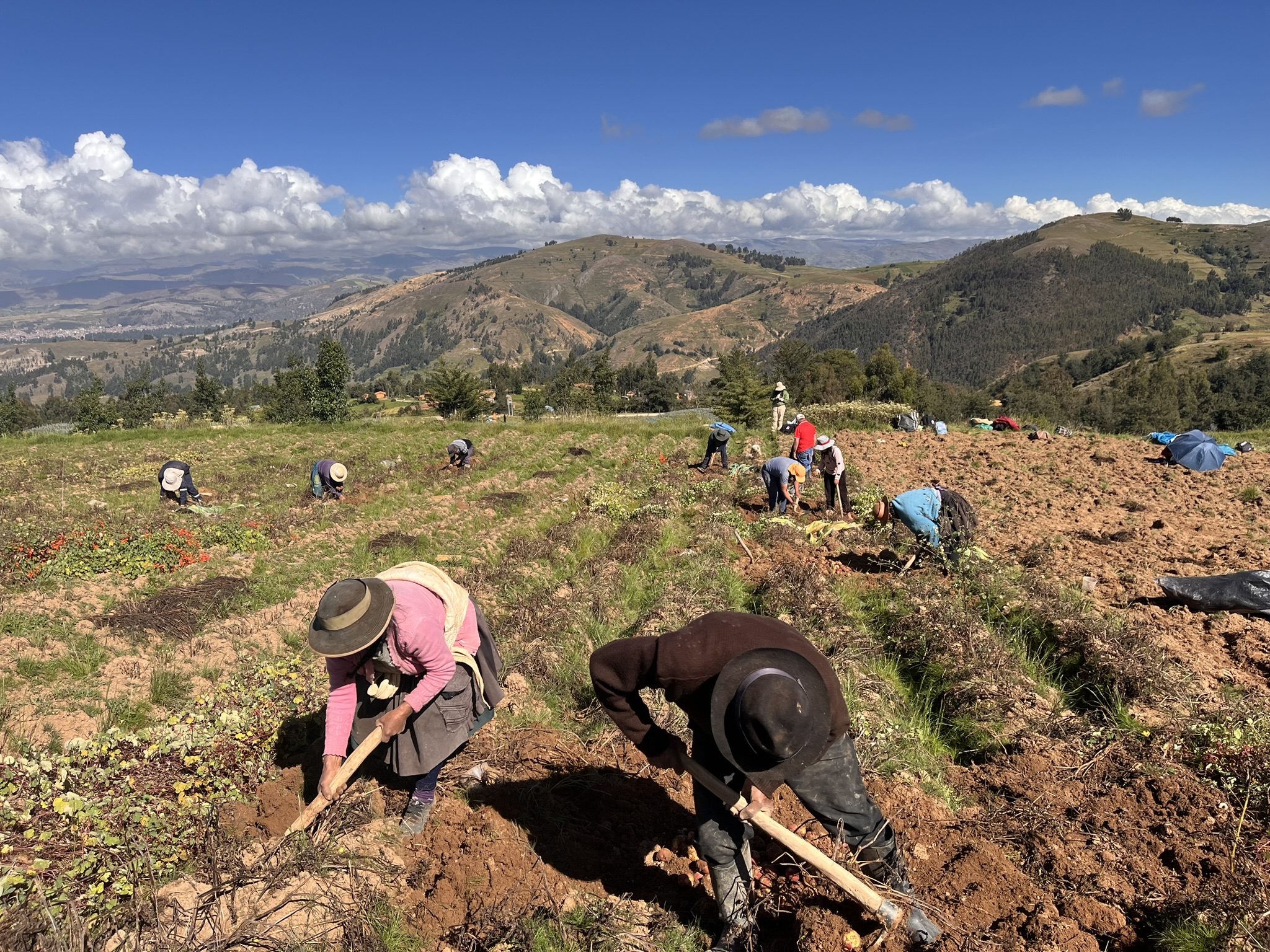
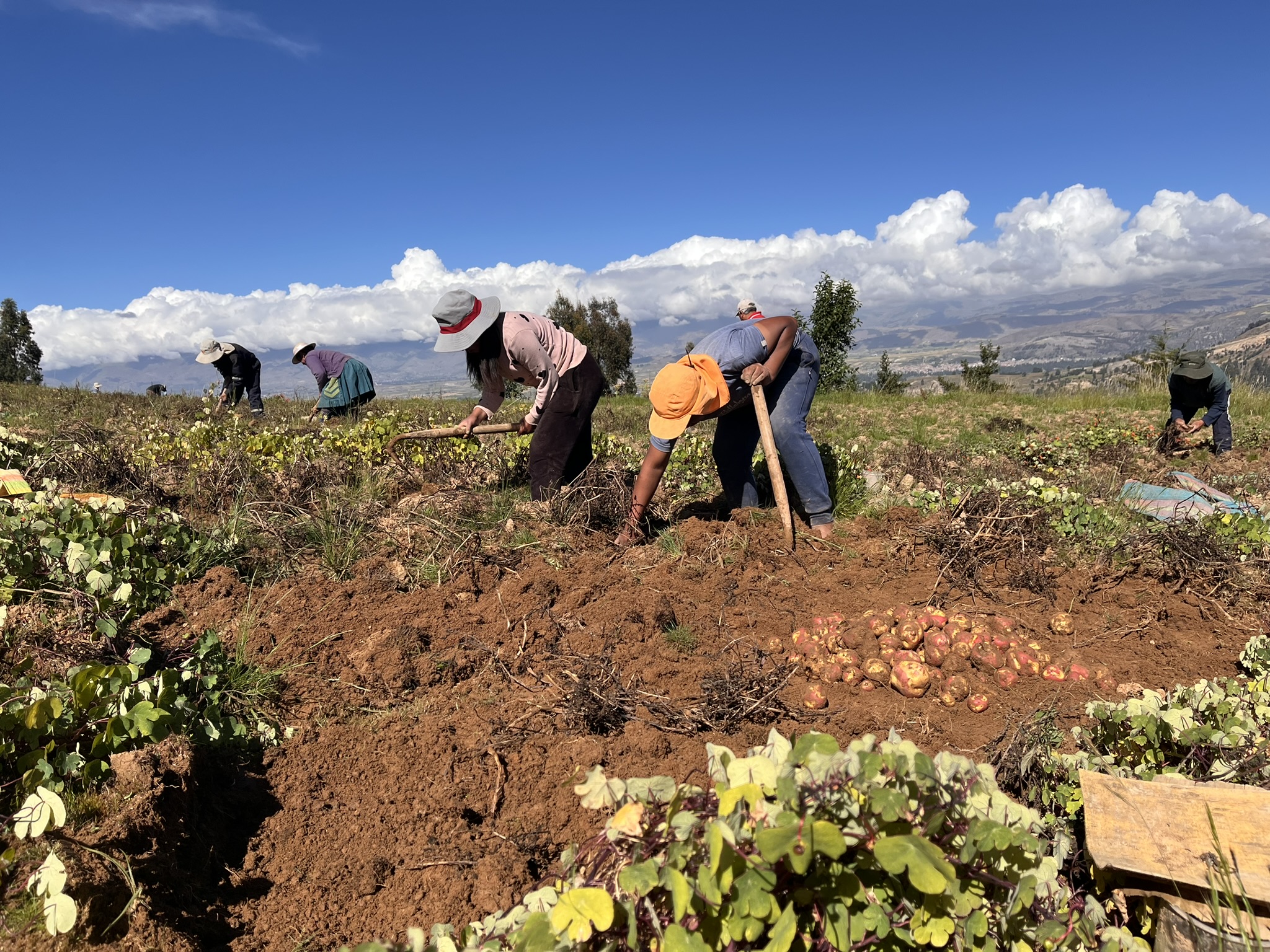
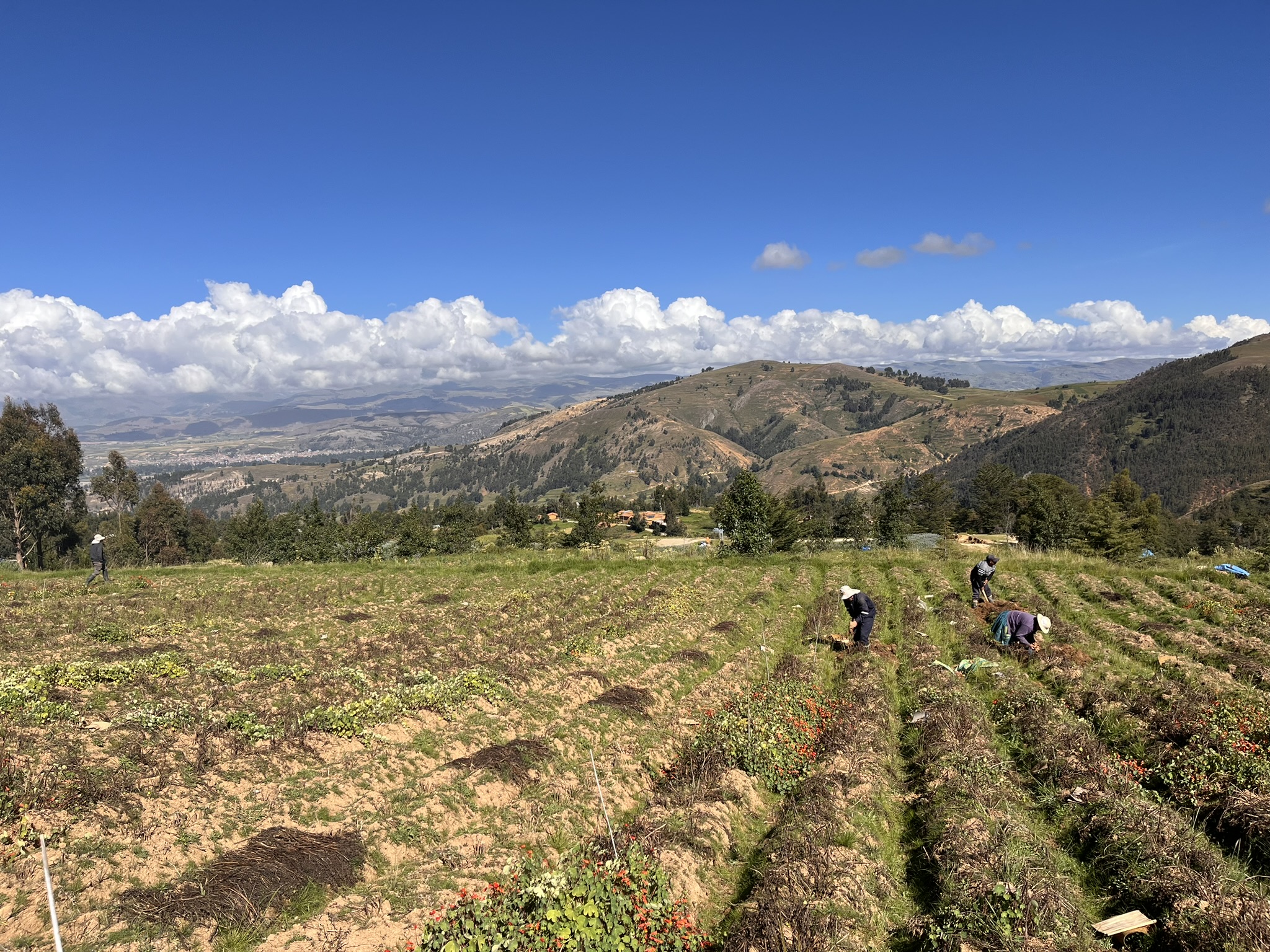
Climate change is increasingly undermining the resilience of Andean farming systems in Ecuador and Peru. Unpredictable weather patterns, recurrent droughts and the intensification of pest and disease pressures are threatening smallholder livelihoods and food security. At the same time, the Andes constitute a centre of origin and diversity for Andean roots and tubers, including native potatoes and mashua (Tropaeolum tuberosum), which represent a critical reservoir of genetic resources for climate adaptation.
Native potato varieties could strengthen farmers’ agrobiodiversity portfolios and provide starting points for identifying drought-tolerant traits and for the development of future improved varieties. Mashua also holds promise for managing key pests such as the Andean potato weevil (Premnotrypes spp.).
Insight
- Native potatoes perceived as drought-tolerant are mostly planted at the south of Ecuador
- Farmers’ variety selection in Peru and Ecuador not only depend on productivity, but on taste and culinary uses, storage performance, risk management, and labour demand
- Mashua has local market presence often linked to medicinal uses; validating varietal performance as barrier crops could strengthen sustainable pest management
- Native potato and mashua markets are becoming increasingly visible through gastronomy and niche marketing circuits. It is critical to design market strategies that promote the use of agrobiodiversity, rather than relying on single-variety commercialisation
- Women and youth are central to the conservation of Agrobiodiversity and the adaptation to climate change
- Vibrant rural areas are needed to promote agrobiodiversity conservation
Collaboration
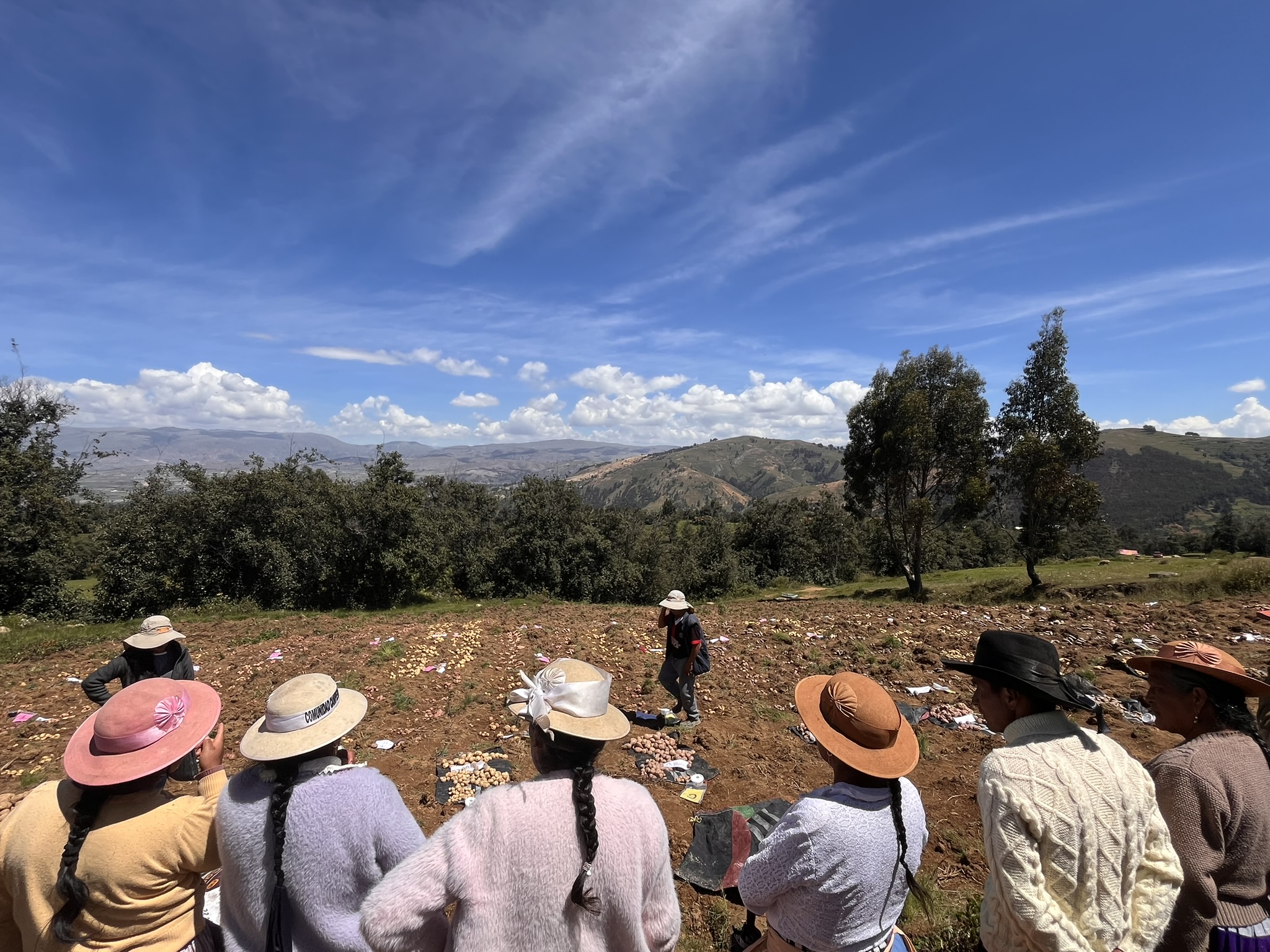
The project is grounded in a collaborative Community of Practice that brings together researchers, NGOs and rural communities as equal partners in learning and action. Working closely with farming families and youth groups, collaboration goes beyond technical exchange to shared reflection, storytelling and co-creation. Face-to-face conversations, time spent in the field and being present in everyday rural realities have shaped how the project learns and adapts.
Native potatoes and mashua have the potential to accelerate farming systems adaptation to climate change.
Discover More
Dr Bettina Heider
Bettina Heider is a Genetic Resources Specialist at the Genebank of the International Potato Center (CIP) in Lima, Peru. Her work lies at the intersection of plant genetic resources conservation, cultural heritage, and sustainable agriculture, with a strong focus on strengthening connections between ex situ genebank collections and in situ conservation. She advances integrated strategies that combine scientific research with farmers’ traditional knowledge to safeguard agrobiodiversity.
Working across Latin America, Southeast Asia, and Africa, she promotes trait discovery and climate change adaptation to ensure conservation approaches are both scientifically robust and socially grounded. Her current research emphasises the sustainable use of genetic diversity and innovative data management to improve access to germplasm and associated information, supporting resilient seed systems that enhance food security and rural livelihoods. Bettina holds a PhD in Agricultural Science from the University of Hohenheim, Germany.