Gran Tescual Indigenous Reservation Climate Plan

By enabling the Resguardo Gran Tescual to generate participatory, intercultural, and gender-responsive evidence, this project linked biodiversity protection, climate adaptation, and community livelihoods, while strengthening Indigenous territorial governance.

Challenge

There is limited availability of intercultural and gender-responsive evidence to guide biodiversity conservation and climate adaptation in Indigenous territories. Research and policy are often disconnected from Indigenous knowledge, local governance and community livelihoods, reducing their effectiveness. This gap is especially evident in rural and conflict-affected areas facing climate, ecological and social pressures. The project sought to generate practical, participatory evidence that connects scientific and Indigenous knowledge while strengthening community-led territorial decision-making.

Insight

The project sought to address this challenge by applying a participatory, intercultural and gender-responsive research approach that integrated Indigenous knowledge systems with scientific methods. Through collaborative processes with the Resguardo Gran Tescual, the project generated three interconnected research outputs: a Participatory Biodiversity Diagnosis, an Illustrated Ethnobotanical Guide and a Climate Plan. These outputs were conceived as practical tools to inform territorial governance, climate adaptation and sustainable livelihood strategies.

An important insight is that research has greater impact when it is embedded in local decision-making structures and aligned with Indigenous governance instruments, such as the community Life Plan. The process strengthened local capacities, fostered collective ownership of knowledge and enhanced the legitimacy of evidence used in planning and advocacy. The project also demonstrated that gender-responsive and intergenerational participation improves both the quality of research and the sustainability of outcomes.

Overall, the project shows that Indigenous-led, participatory research can produce robust, policy-relevant evidence while contributing to long-term climate resilience and biodiversity protection.

Collaboration

The project was implemented through a close partnership between CIASE and the Resguardo Gran Tescual, grounded in trust, transparency and shared decision-making. Indigenous authorities, women leaders, families and community researchers played a central role in co-producing knowledge and guiding implementation.

At the institutional level, the project collaborated with Corponariño, the Gobernación de Nariño and the municipality of Puerres, supporting alignment with territorial planning and environmental management processes. At the national and international levels, the project engaged with Latindadd and TICA, as well as learning and policy spaces linked to COP processes, enabling knowledge exchange and broader visibility of Indigenous-led approaches. These partnerships strengthened the quality, legitimacy and sustainability of the project’s results.


The Climate Plan of the Gran Tescual Indigenous Reserve represents a strategic commitment to transformative climate action built from and for the Andean–Amazonian territory. This initiative integrates biodiversity, Indigenous governance and climate justice, recognising ancestral knowledge and the collective care of the heart of the water as fundamental pillars for strengthening community autonomy and advancing climate solutins with local impact and global relevance.

Wendy Toro, CIASE Research Coordinator

Wendy Toro

Wendy Toro is a young feminist and a professional in Environmental Management, specialising in Environmental Education and Management. She holds a Master’s degree in Gender Studies with a focus on Climate Change and Disasters. Wendy is a researcher in the Economies for Life program at CIASE Corporation, with expertise in gender, climate change, and biodiversity.



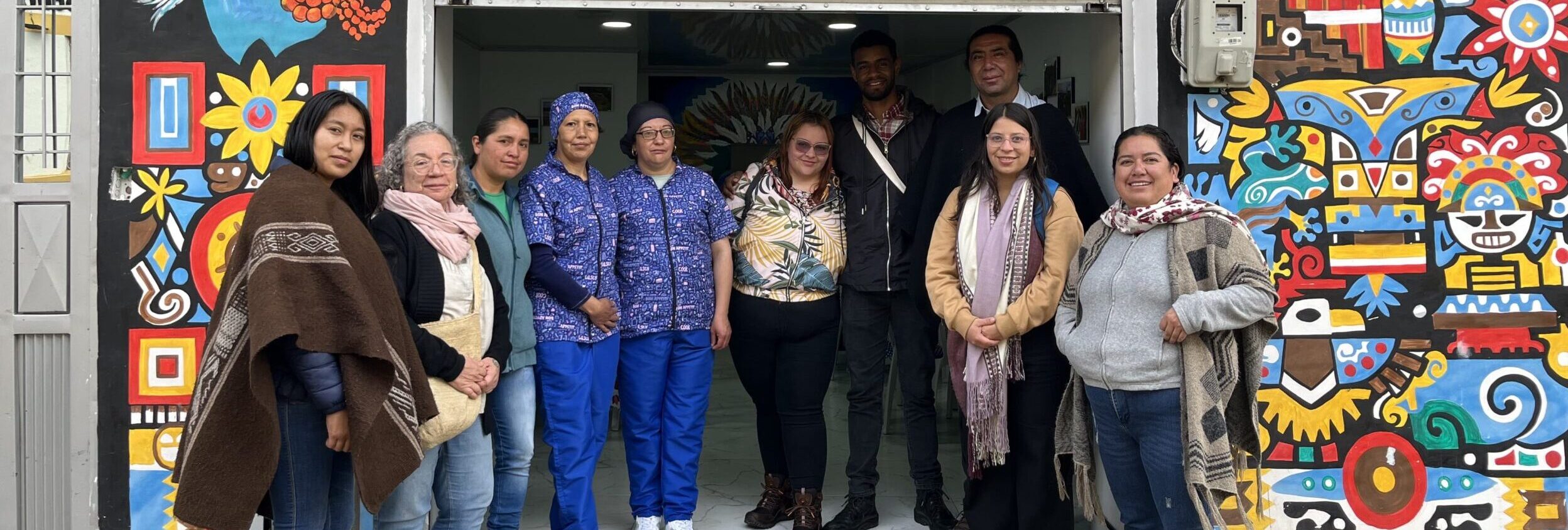
Photo Credits: Image 1 shows women from the Pasto community outside their restaurant initiative in the resguardo, with Daniela Torres,  Mama Genith Quitiaquez,  Taita Vicente Obando, Ricardo Ibarguen, Wendy Toro and Rosa Emilia Salamanca from Corporación de Investigación y Acción Social y Económica (CIASE).
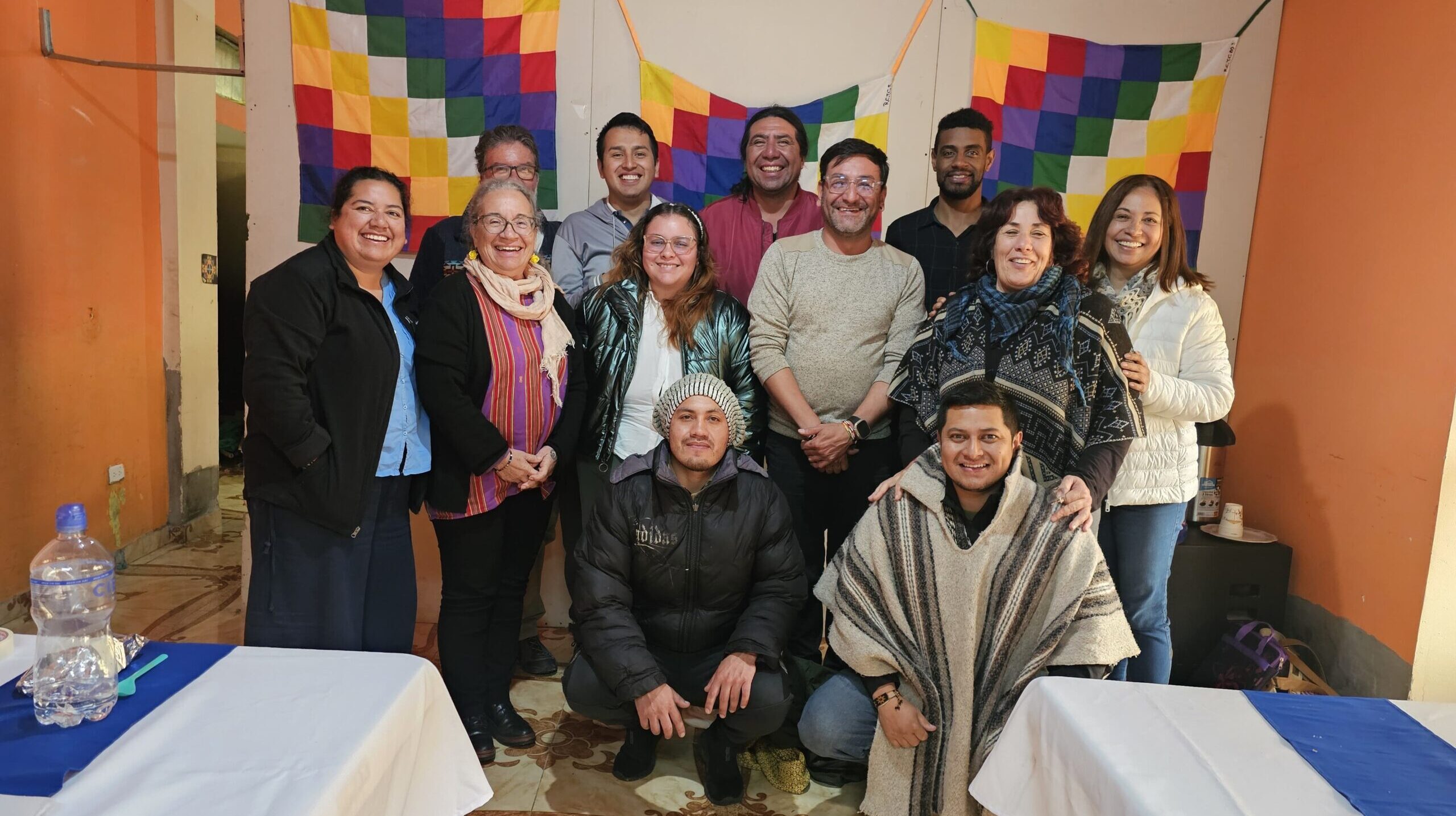
Image 2 shows the full CIASE team: Mama Genith Quitiaquez, Rosa Emilia Salamanca, Wendy Toro, Germán Niño (behind) Fredy O Chávez, Taita Vicente Obando, Angel E Gamboa, Patricia Luli, Ricardo Ibarguen, Maria Cristina Umbarila and Felipe Imbacuan.